 Wander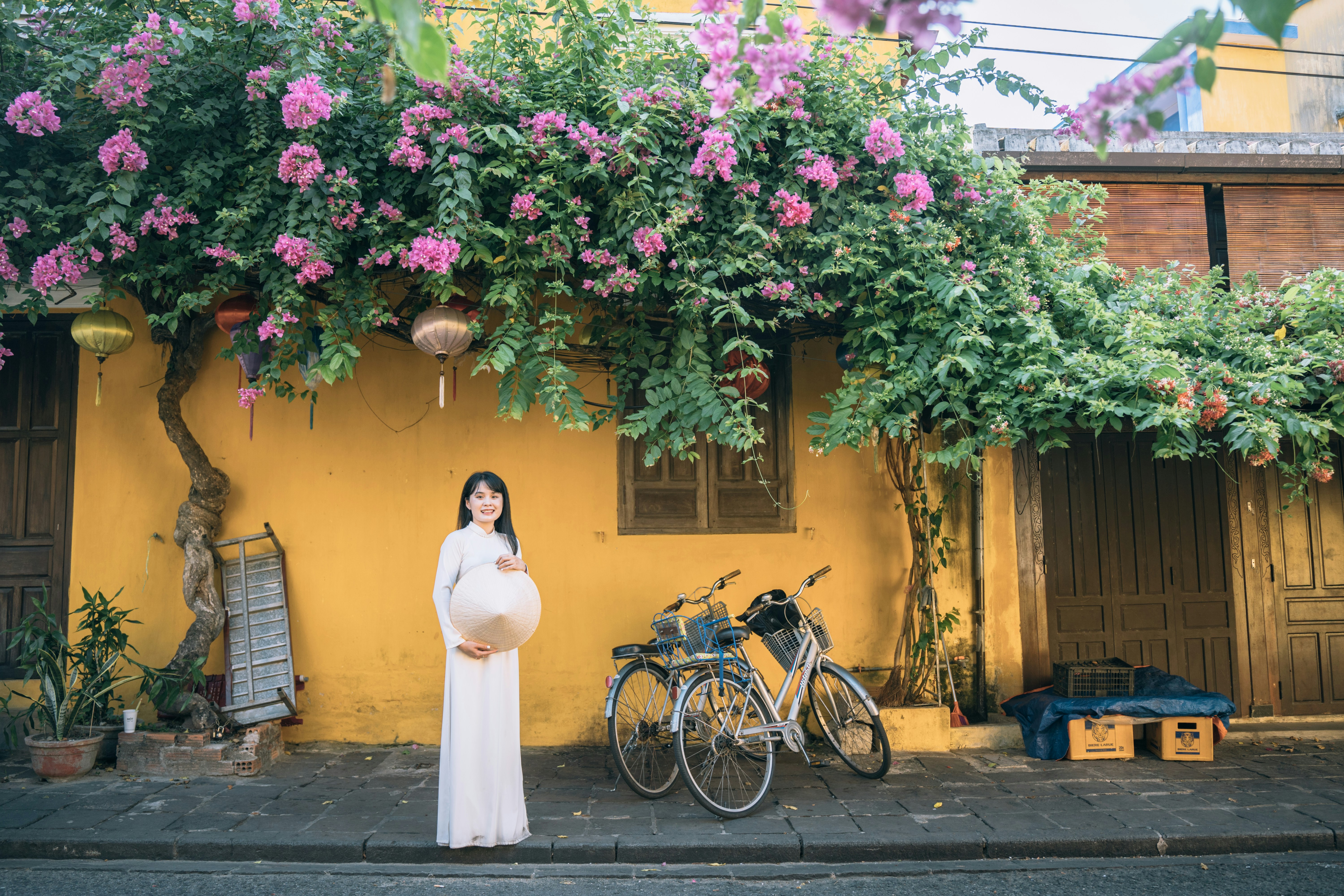
Day 3 — Hội An
Hanoi — District Hoàn Kiếm

SE3 — Hanoi → Đà Nẵng
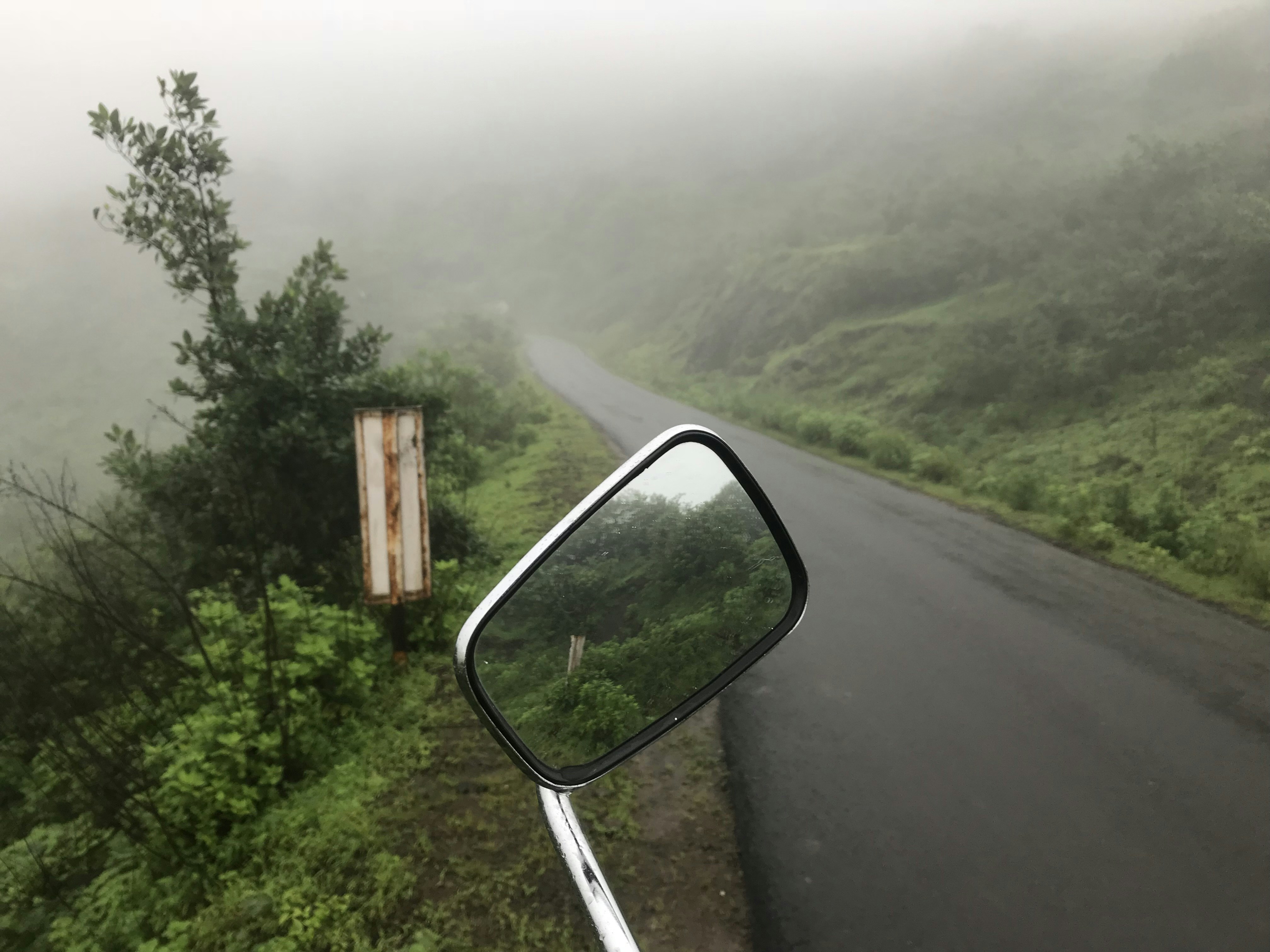
Hà Giang Loop — Day 2
Overnight trains, motorbike passes, and lantern-lit alleys — from Ninh Bình's limestone karsts to Saigon's District 4 phở stalls. 47 days. One bag. No group tour.
PDF + Mobile · Updated Feb 2026 · 214 pages
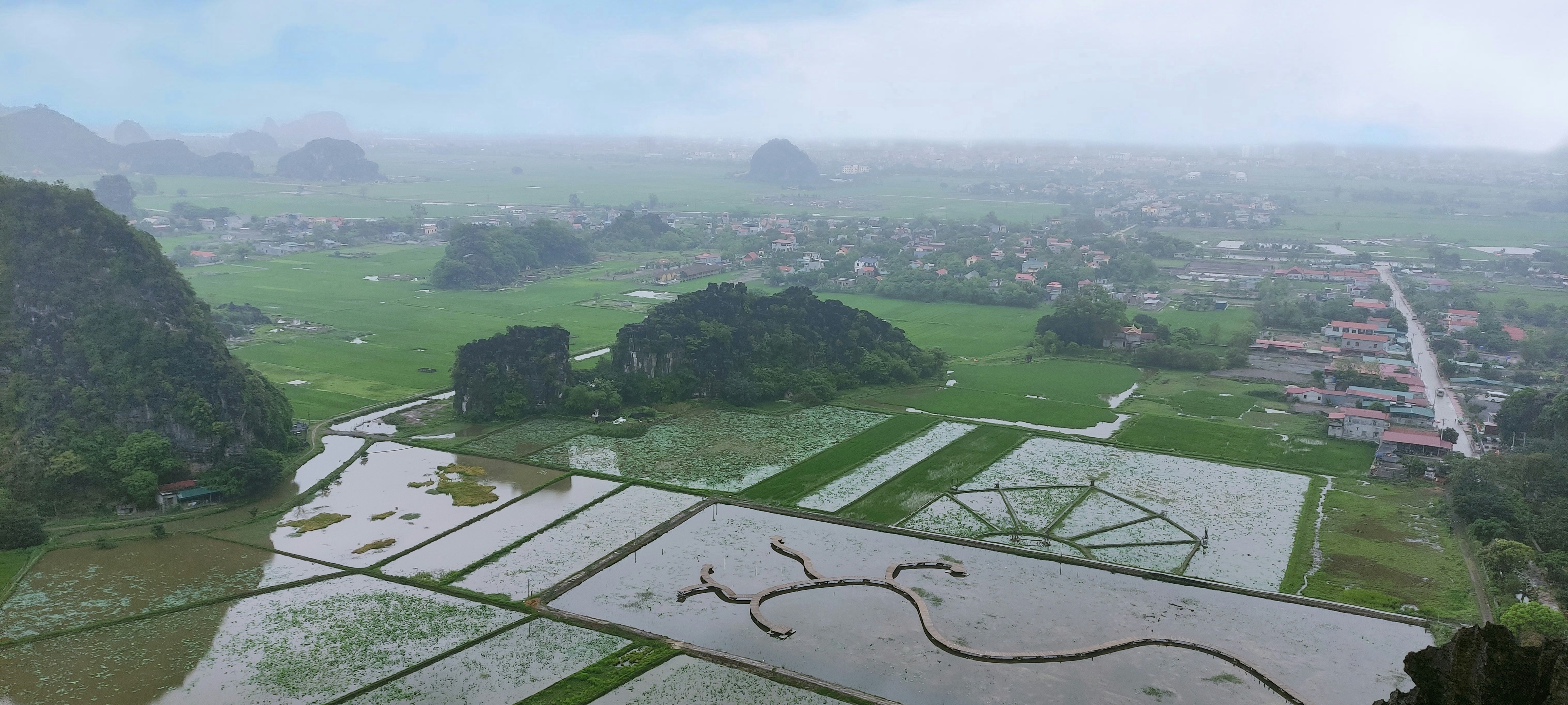
Ninh Bình Province · Tràng An Landscape
Chapter One · The Decision
Nobody tells you Vietnam is the country that teaches you to stop planning.
I booked a one-way ticket to Hanoi on a Tuesday at 11 p.m. after three glasses of wine and a Wikipedia rabbit hole about the Hà Giang Loop. By Thursday I had a guesthouse reservation for the first two nights and nothing else. That was, as it turned out, exactly the right amount of planning.
This guide is not a listicle. It is not 47 Instagram coordinates with a Canva map. It is what I wish someone had handed me at Nội Bài airport — specific, honest, and written for the person traveling alone who wants to move through Vietnam like a local, not a tourist group with matching luggage tags.
Every route in these pages I have walked, ridden, or slept through myself. The food recommendations come with the vendor's stall number, the corner, and the order. The train notes include which berth to book and what to bring for the 14-hour ride south. The safety advice is practical, not paranoid.
Chapter Two
SE3 · Hanoi → Đà Nẵng · 14 hours
The overnight train is not a compromise. It is the whole point.
Fourteen hours from Hanoi to Đà Nẵng, and you wake up to mountains. Not the flat coastal scrub you expected — mountains, mist, and the South China Sea appearing in the gap between them like a rumor becoming fact. No flight delivers this. No bus gets close.
Vietnam's Reunification Express runs the full length of the country — 1,726 kilometers from Hanoi to Hồ Chí Minh City. You can do it in one shot (30 hours, not recommended) or in chapters, the way a country like this deserves to be read.
Book SE3 or SE7 for the Hanoi–Đà Nẵng run. Soft sleeper, 4-berth, lower bunk. Request it when booking — costs 30,000 VND more and is worth every đồng.
The dining car serves bánh mì and instant noodles after 9 p.m. Bring your own: a tangerine, dark chocolate, and a bottle of bia Hà Nội from the platform vendor before you board.
Your bunkmates will offer you food. Accept. This is how conversations start, and conversations are how you learn about the waterfall three stops before your destination that appears on no tourist map.
Chapter Three
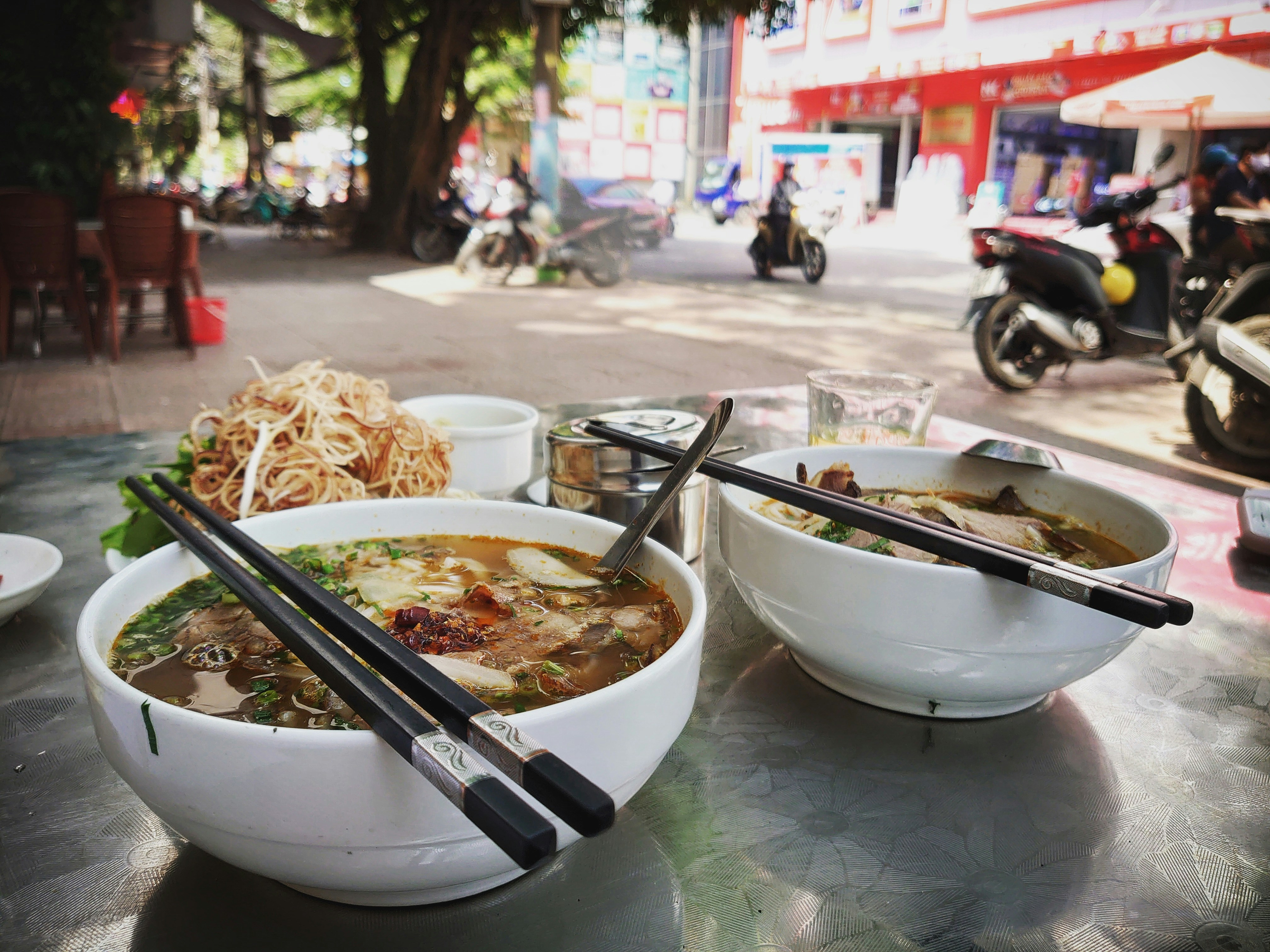
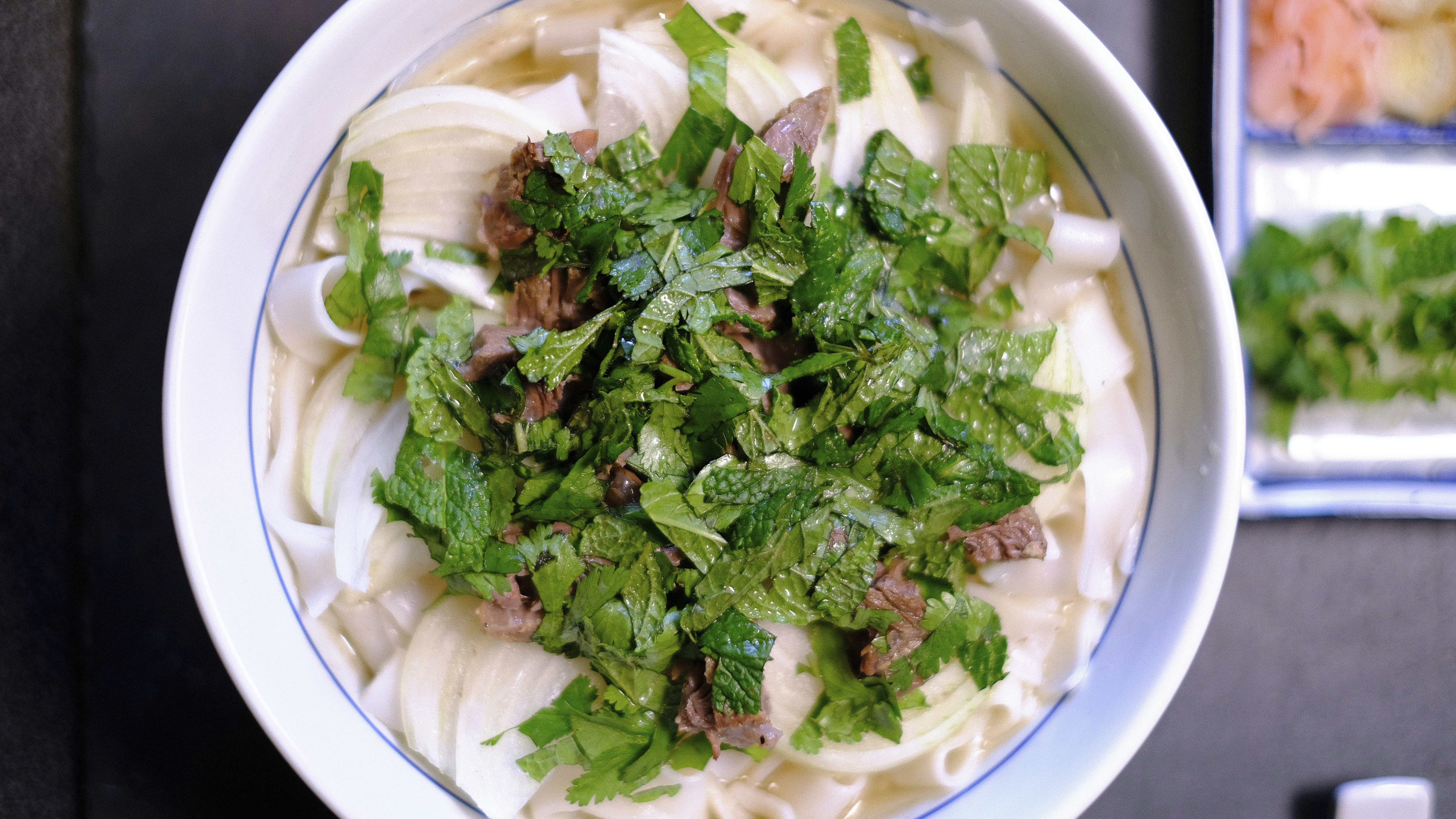
Phở Gia Truyền · Bát Đàn Street · Hanoi · Open 6–10am only
Street Food · The Rules
Eating alone in Vietnam is not lonely. It is the purest form of attention.
When you eat alone, you notice everything: the cook's wrist motion when she tosses the noodles, the hierarchy of the condiment shelf, the way the broth changes color as the morning cools. You eat slower. You eat better. You eat more.
Follow the plastic stools.
If there are plastic stools and no menu on the wall, you are in the right place. A menu is a tax on tourists. The absence of one is an invitation.
Order what the person beside you ordered.
Point. Nod. This is a complete sentence. You will receive exactly what you need, and it will cost between 30,000 and 55,000 VND.
The phở in Saigon is not the phở in Hanoi.
Do not compare them. They are different dishes wearing the same name. The southern version is sweeter, comes with a jungle of herbs, and is served with hoisin and Sriracha on the side. Both are correct.
Eat bún bò Huế in Huế.
Not in a restaurant that claims to serve it in Hanoi. Not from a food court. In Huế, from a woman who has been making it since 5 a.m. The lemongrass will hit differently.
"The complete guide includes 38 specific stalls across 11 cities — with opening hours, order instructions, and the dishes to avoid."
Preview the Saigon Chapter Free →Chapter Four
Ma Pí Lèng Pass · Hà Giang Province · 1,500m elevation
Hidden Routes · Off the Trail
The best routes in Vietnam don't appear on the first page of search results.
They appear in conversations with guesthouse owners, on the back of paper maps with biro circles, in the advice of the French photographer you meet on the train who has been coming here for eleven years. This chapter is a collection of those conversations.
The Hà Giang Loop
Northern VietnamFour days on a semi-automatic motorbike through the Đồng Văn Karst Plateau. The road from Đồng Văn to Mèo Vạc — the Ma Pí Lèng Pass — is the most dramatic 20 kilometers in Southeast Asia. Go in October.
Rent from Cuong's in Hà Giang town. He is the only one who will give you a proper safety briefing.
Ninh Bình by Bicycle
Red River DeltaNot the boat tour everyone books. Rent a bicycle from your guesthouse and ride the 8km loop around Tam Cốc before 7 a.m. The karsts reflect in the rice paddies. You will have the road to yourself.
Stay at Ninh Bình Hidden Charm. Tell them you want the room facing the mountain.
Saigon's District 4
Hồ Chí Minh CityThe food district the guidebooks overlook because it requires crossing a bridge. Hẻm 94 on Xóm Chiếu Street after 6 p.m.: bún mắm, cháo lòng, and a bia hơi cart that appears from nowhere.
Walk across the Kênh Tẻ Bridge from District 7. The commute is part of the experience.
"214 pages. 47 days of notes. Everything I wish I had known before I booked that one-way ticket."
Instant download · PDF + EPUB · 214 pages